
Aseptic electroPioreactor (AEP)
If you want to grow one particular strain of hydrogen-oxidising bacteria and be sure that what you’re measuring is that strain, you need to keep everything else out. The Aseptic electroPioreactor is the electroPioreactor with that in mind: a sealed cap with a silicone septum that closes around each electrode and every port, 0.2 μm hydrophobic filters on the gas in and gas out, luer-lock connections for feeding and sampling, and parts that survive the autoclave.
We designed it to be safe first, then accurate and repeatable, then automated, then good value, in that order. When two of those pull in different directions, the earlier one wins.
Versions
Section titled “Versions”- AEP 0.1 and 0.1.1 (2025). Six units built. Three of them were assembled by the students themselves at the joint training at the University of Edinburgh on 18 to 21 November 2025, one each, following the assembly instructions. The 0.1.1 changes came out of what we learned that week.
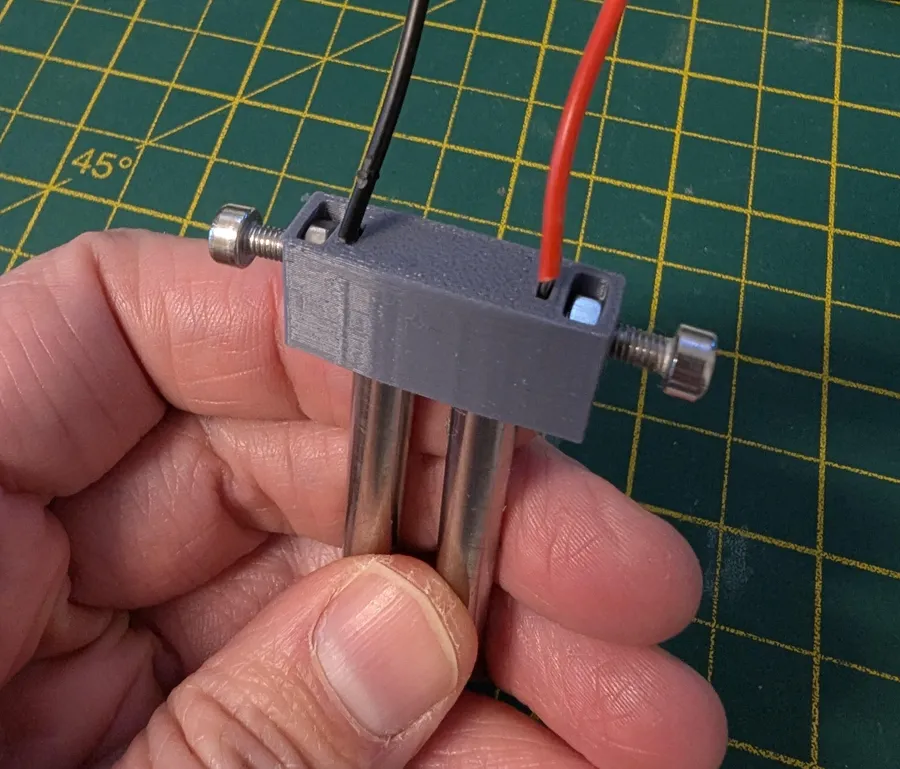
- AEP 0.2 (2026). A redesigned cap (a silicone septum instead of O-rings, and an M3 clamp for the electrodes), mixed metal oxide anodes, and card bundles so the plugin can go onto a unit that never sees the internet. The first kits reached Edinburgh in September 2026. The step-by-step guide, with a video and a drawing for each step, is going up at docs.electropioreactor.org/AEP as we make it.
What we learned from the first runs
Section titled “What we learned from the first runs”Here’s how the November 2025 training week went. Three students each built an AEP 0.1. The software set-up then took a long time to diagnose because none of us could SSH into the units; it turned out to be a bug in the Raspberry Pi Imager, which Cam Davidson-Pilon of Pioreactor tracked down, and an older Imager fixed it. A heterotrophic culture of Cupriavidus metallidurans was established on gluconate. The first attempt at autotrophic growth, on hydrogen from the electrodes and CO₂ from the cylinder alone, showed no growth in 17 hours. Also that week: new crocodile clips kept falling off the electrodes, which is where the top stop came from; the SodaStream cylinders moved from the middle of the raft to the back, which made the bottles easier to see and the tubing shorter; and a vial dropped and smashed, so now we carry boxed spares. The write-up lists the suspects: the medium, too high a voltage, temperature control, whether the CO₂ sparging was actually clearing the oxygen, and the anodes discolouring.
That list is what the plugin and AEP 0.2 were built to work through: intermittent sparging with the electrolysis paused, current limited rather than voltage set, and one variable at a time.
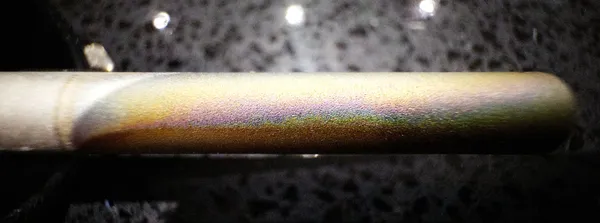
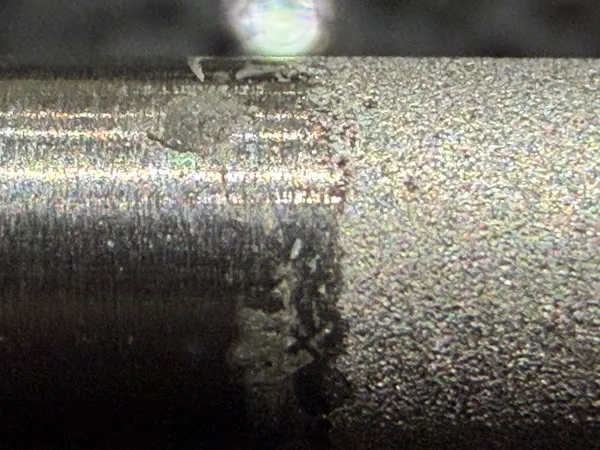
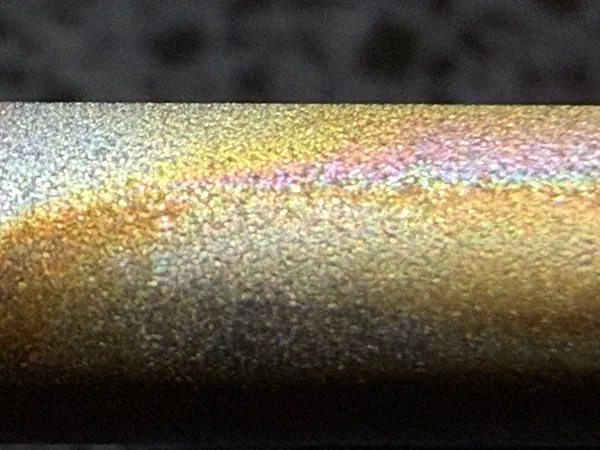
Photos: AMYBO, CC BY-SA 4.0. All of them, and more, are in the results folder.
In the repository
Section titled “In the repository”- Overview, design criteria and directory
- Results: the training write-up, the anode photos, and continuous versus intermittent CO₂ sparging
- Meeting notes of the CARMA Hub project
- Components and bill of materials, including the vial cap OpenSCAD source and the GL45 bottle holder
- The plugin that runs it from the Pioreactor web interface
- Edinburgh’s first runs, written up on the forum: trial experiment on heterotrophic electrolysis
The AEP is the subject of the CARMA Hub project. Kits and parts come from LabCrafter in the UK and Pioreactor elsewhere. Come and see electroPioreactors running at the get-together on 13 November.
Text CC BY 4.0, images CC BY-SA 4.0 unless marked otherwise. Licences · Privacy